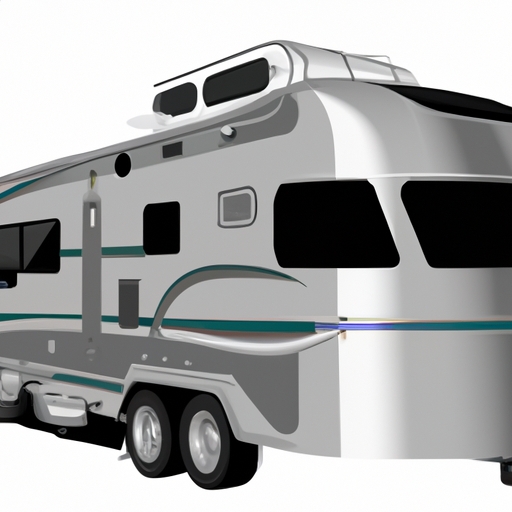
Introduction to RV waxes, sealants and coatings
Introdusuction to RV waxes, sealants and coatings: Protecting your RV's finish with waxes, sealants and coatings is essential for keeping your 'home away from home' looking its best. (It) doesn't take a lot of time or effort to do this but it does require knowledge of the different types of products available. Waxes are usually the first line of defense against dirt, dust and other airborne contaminants. They provide a thin layer of protection that help keep the surface clean and shiny. Sealants form an invisible barrier on top of the wax that will protect against water spots, oil stains and other forms of damage. Coatings can also be applied to further protect the paint job from UV rays and other environmental elements.
Transition: However, there are certain factors one should consider before applying any product to their RV’s finish.
Firstly, make sure you choose a product specifically designed for RVs as regular car waxes may not have all the necessary ingredients required for such surfaces! Secondly, always test any new product in an inconspicuous area before applying it liberally across your vehicle - this will ensure that you don’t end up ruining its appearance unexpectedly! Thirdly, you should also assess whether or not pre-treatment is required - if so, make sure you use a detergent specifically formulated for use on RVs rather than dishwashing liquid or similar household products. Finally, be patient when applying the products since each layer needs to dry completely before moving onto another one; otherwise your efforts could go wasted!
In conclusion, taking care of your RV’s finish with waxes, sealants and coatings is an important part of protecting its exterior appearance over time - just remember to be mindful when selecting products and methods to ensure successful results!
Different types of waxes available for RV protection
Protecting your RV's finish with waxes, sealants, and coatings is essential for keeping it looking great and in top condition. There are many different types of waxes available to use on an RV. Carnuba wax is one of the most popular, providing a deep shine and protection from UV rays. (It) It has a long-lasting effect, making it perfect for those who don't want to have to reapply often. Additionally, there are polymer sealants that can be applied every few months to protect the paint job from scratches and other damage caused by road debris or weather conditions. For even more protection, ceramic coatings can be used which create a tough barrier that repels dirt and moisture while still allowing air through!
Another type of wax available for RV protection is teflon-based products. These make cleaning easier because they help prevent dirt from sticking to surfaces like the body panels or windows. They also provide some UV protection but should be reapplied regularly as they do not last as long as carnauba wax. Finally, silicone-based products offer a high level of durability but can leave behind a greasy residue that can attract dust and dirt over time!
In conclusion, there are many different types of waxes available for RV protection; each offering its own advantages depending on your specific needs and desires! From carnuba wax to teflon-based products and silicone-based items - you'll find something perfect for protecting your RV's finish! Furthermore, applying these regularly will ensure optimal results over time!
How to properly apply wax onto an RV
Applying wax onto an RV is a simple (yet important) task for preserving the finish. When done correctly, waxing can help protect your rig from dirt and dust, as well as keep it looking shiny and new! First off, you'll want to make sure that the surface of the RV is clean and dry - a damp cloth should do the trick. After that, take some carnauba-based wax and apply it in small circles. You don't need to put on too much - just enough to cover the surface evenly. Once this is done, use a clean cloth or sponge to buff out any excess product.
Finally, there are a few things you should avoid when applying wax: never use petroleum or silicone based products as these can damage your RV's paint job; also ensure not to leave any residue behind; lastly, be careful with power tools like buffers - they can cause scratches if used improperly! That said, with patience and attention to detail you can easily give your RV's exterior a beautiful shine by properly applying wax onto it. Transitionally speaking, it’s also important to know how often you should be reapplying wax - generally every two months or so depending on exposure levels!
Benefits of using a sealant or coating on an RV
Properly maintainin' your RV's finish is paramount to its longevity and aesthetic appeal! Waxing, sealants, and coatings are all great options for protectin' the paint job, but which one should you use? Let's take a closer look at the benefits of each.
Sealants provide a durable barrier between the paint and any harsh outdoor elements - such as dirt, UV rays, or moisture. This layer of protection is excellent for keeping your RV looking like new! Sealants also require minimal upkeep; they only need to be reapplied every few months (or years).
Coatings offer similar advantages as sealants but with an added bonus: shine! A good coating can make your RV sparkle for miles down the road. They also last longer than sealants, so you won't have to worry 'bout replacing them as often. However, it's important to note that coatings require more frequent maintenance than sealants do.
Finally, waxing offers another way to keep your RV looking fresh and clean. Waxes create a thin protective film on the surface of the vehicle that helps repel water and dirt while still allowin' air to flow through. Plus, they are easy to apply and remove compared to other forms of protection - making them ideal for those short-term trips where you don't want too much hassle.
In conclusion, there are plenty of options when it comes to protectin' your RV's finish - from waxes to sealants and coatings! Each one has its own set of pros and cons; so choose carefully based on how long you plan on keeping your vehicle in tip-top shape!
Tips on how to maintain your RV’s finish with waxes, sealants and coatings
Maintaining your RV's finish is important to keep it looking good and last longer. Waxes, sealants, and coatings are great ways to keep it in top condition! First of all, (you'll want) to make sure you clean the surface before applying any products. This could be done with a mild soap or detergent and a soft cloth. Next, apply the wax or sealant to the entire body of your vehicle. You may need to do this in sections as some products require time to set before being removed. Once that’s done, use a soft brush or cloth to buff out any areas where excess product was applied. Finally, for extra protection against sun damage and corrosion, why not consider using a coating? Whilst these can be quite pricey they are worth it for extended protection from the elements!
All-in-all, keeping your RV’s finish looking its best doesn't have to be difficult with these few simple steps! Nonetheless, remember that regular maintenance is key: so don't forget to check up on it every couple of months!. One exclamation mark really can create an impact on how well you take care of your RV's exterior!
Common mistakes when applying waxes, sealants and coatings to an RV
Protecting your RV's finish with waxes, sealants, and coatings is an important step in protecting its exterior for years to come. However, if done improperly, it can actually do more harm than good! (Which is why) it’s essential to know exactly what you’re doing before diving in. Here are some common mistakes when applying waxes, sealants and coatings to your RV:
Not prepping the surface properly: Before applying a coating or sealant make sure the area is free from dirt and debris. Otherwise, it won’t adhere appropriately and may even cause damage! On top of that, be sure to select the right product for your vehicle type—not all products are created equal.
Applying too much product: Too much of a good thing can be disastrous here! Waxing or sealing an RV requires finesse - apply too much product and you run the risk of creating streaks or damaging your vehicle's finish. Be sure to use only a thin layer and spread evenly across the surface.
Not allowing enough time between coats: Patience is key when it comes to waxing an RV; not giving adequate drying time between layers could lead to peeling or bubbling paint down the road. Make sure each layer has dried completely before beginning another application. Moreover, never combine different brands of products as this has been known to create discoloration on vehicles' exteriors!
Overall, taking proper care of your RV's finish will ensure it looks great for many years down the line. By following these tips -and avoiding these common mistakes- you'll be well on your way towards achieving a beautiful finishing result!
How often should you reapply waxes, sealants and coatings?
Protecting your RV's finish with waxes, sealants, and coatings is a great way to keep it looking its best. But how often should you reapply these products? (Well,) It really depends on the type of product and the environment in which your vehicle is stored. Generally speaking, waxes can last anywhere from two to eight months, depending on the weather conditions and amount of exposure to the elements. Sealants may last up to a year or longer, while coatings can sometimes protect your RV's finish for several years!
On average though, it's a good idea to reapply any type of wax or sealant every three months if you're using them outdoors. This ensures that they continue providing maximum protection against dirt, grime, road salt and UV rays. For indoor storage areas like garages and carports, you could go as far as six months without needing to reapply anything – but it's always best practice to inspect your RV's finish regularly for signs of degradation or fading.
(Wow!), If you want an added layer of protection for your RV’s paintwork then applying a coating could be a great option too! These typically require less frequent maintenance than waxes or sealants – usually once every couple of years – so they provide more long-term protection than other products do. It’s important to remember though that coatings are permanent so make sure you read the instructions carefully before application!
In conclusion, there isn't one answer about how often you should reapply waxes, sealants and coatings; it all depends on what type of product you are using and where your RV is being stored. However, checking your RV’s finish regularly for signs of wear will help ensure maximum protection for many years ahead!
Conclusion
Protecting your RV's finish with waxes, sealants, and coatings is an important way to keep it looking its best. It not only prevents the metal from corroding but also helps prevent paint fading or peeling (which can be costly to repair). With a few simple steps you can protect your RV's exterior and maintain its beauty for years to come!
First and foremost, make sure to thoroughly wash it before applying any product. This will help remove any dirt or debris that could cause scratches or other damage during the application process. After washing your RV, allow it to completely dry before beginning the waxing process.
Moreover, choose a good quality wax specifically designed for RVs. Many products are available in both liquid and paste form; however, pastes generally provide better protection against UV rays and moisture damage. For maximum protection, apply two coats of wax - making sure to wait at least one hour between applications.
Furthermore, consider using a sealant or coating after waxing your vehicle. These products offer additional protection against water spots, oxidation and fading caused by UV rays. When applying a sealant or coating be sure to follow all of the manufacturer’s instructions carefully!
Finally, don't forget about detailing supplies like polishes and cleaners which can help keep your RV's finish in top condition over time. Regularly cleaning surfaces such as windowsills or door seals will help prevent them from becoming grimy and stained due to exposure to the elements. Additionally, use a good quality polish on painted surfaces twice per year for extra shine!
In conclusion, taking care of your RV’s finish is essential if you want it looking great for many years down the road! By regularly washing, waxing (applying two coats), sealing/coating and detailing you can ensure that its finish remains strong despite exposure to wind, rain and sun! So don't hesitate - start protecting today with these easy steps!